
Royal William Yard harbour in Plymouth with small boats
What to expect

What to expect from counselling

Counselling can be 1-1 or as part of a group. It is self guided, in other words you talk about whatever you want to, there is no obligation to talk about anything you do not want to.

It offers time and space to explore what you want, allow yourself to be the real you, to talk without judgement and without having to spare the other person’s feelings.

Book a free 15-minute call
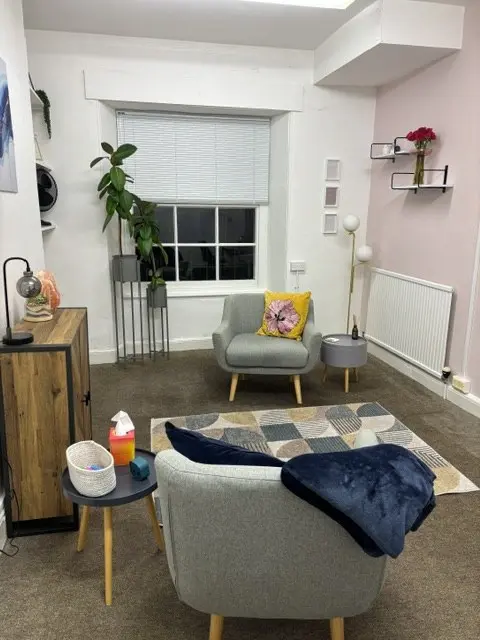
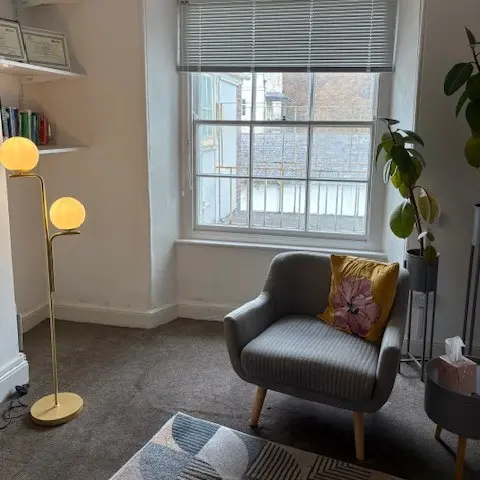
Alicia’s counselling room in Plymouth: soft grey armchairs, plants and warm light Armchair by the window in Alicia’s counselling room
Mount Wise, PlymouthOr online
During the sessions

A trained professional alongside you.

During the sessions you can explore your thoughts, feelings, emotions and patterns of behaviour to gain a greater understanding of yourself.

It is with a trained professional who is alongside you to listen, gently challenge, ask questions and help you make sense of your thoughts and feelings.

Some reasons for having counselling are feeling low, anxious, stressed, bereaved, dealing with life changing events, noticing repeating patterns that may not be helpful and experiences from childhood.

Find answers in my FAQ
Your first session

First counselling session: nervousness, relief, and topics to cover.

1

A bit nervous

At first it is talking to a stranger so you are bound to feel a bit nervous or worried about what the expectation will be and what questions may be asked. There may also be some worry about crying and how you will feel if this happens.

2

Some relief

On the other hand, there may be some relief that you have the opportunity to talk with someone else rather than hold on to how you feel yourself and not having to carry this alone. The wait and wondering what it will be like may be more difficult than actually taking “the plunge”.

3

Topics to cover

Some of the areas that may be covered in an initial session are reasons for accessing counselling now, your support network, things that have worked previously and now and any previous experience of counselling and how that was. This list is not exhaustive. Again, it is important to remember that you only give as much information as feels right for you during this first session.

Check out my blog to read more about other issues

As the work goes on

Finding the right fit, setting goals, and building a therapeutic relationship.

01

The right fit

Counselling sessions are open ended and it is important that you find the right counsellor that you feel comfortable with. You can arrange an initial session to see how it feels before, during and after the session and whether you think the counsellor is a good fit for you.

02

Endings

Sessions can end when you want however, having an ending is important, if you can do this. Sessions can decrease in frequency if you feel things have changed but you still want some support.

03

Your goals

Counselling supports you gain a greater understanding of what you want, your feelings, how to prioritise your feelings and your needs. Goals can be set for sessions and reviewed intermittently. These can also change as the work goes on should you want them to. You will have the opportunity to say what is helpful and what is not so you are expressing your needs in a safe environment.

Through building a therapeutic relationship with trust, compassion, understanding and no judgement things can change, having a lasting and life changing impact. Counselling can be a way of investing in yourself and your future, with consistency you will notice a difference to your wellbeing.

About therapy

Ask for your free 15-minute call.

A relaxed chat about what’s going on and how I may be able to support you.

Book a free call
Book a
free call